

Anyone curious how to play baccarat will meet three wagers and a third-card rule, so start with this complete baccarat guide for the foundations before comparing tables. The basic hands are simple; the formats are not interchangeable. Table minimums, commission structures, and side-bet payouts change what a sound decision looks like, and a scorecard can look like a strategy while hiding a worse deal. What follows compares the main table formats, the tools players actually use, and the situations each one suits.
How to Play Baccarat Across Different Table Formats
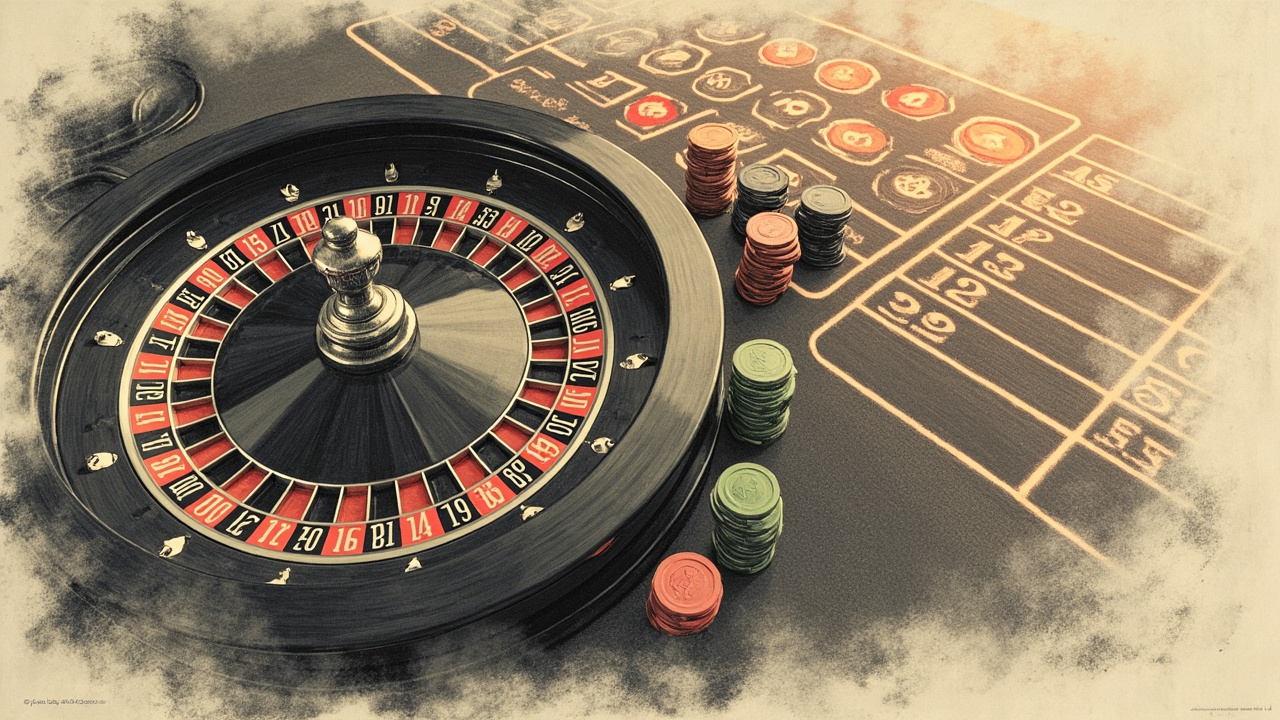
Every baccarat table shares the same skeleton: the player hand and the banker hand each receive two cards, card values collapse to their last digit (ace 1, faces 0), and the player stands on 6 or 7 while the banker’s third-card decision depends on the opponent’s total. What changes is the fee structure and the size of the table. A standard game typically charges 5% commission on banker wins, which is why the banker bet usually holds a lower house edge, often quoted near 1%, than the player bet near 1.2%. Tie bets, usually paying 8:1, are a different proposition, and side bets such as pairs sit in their own category with prices that vary by casino.
Tools matter here more than in games with visible decisions. A printed chart shows when a third card is drawn; a scorecard tracks outcomes; a calculator converts payouts into house edge. None predicts the next hand; they clarify cost, which most players misread.
Table minimums shape behaviour: a $5 game lets you test a system for hours, while a $500 table produces faster decisions and larger swings. Slower shoe-based games and faster electronic versions differ in pace, so the same bankroll feels different.
Three Practical Approaches to Playing Baccarat
Standard and Live Dealer Tables
Standard baccarat uses a multi-deck shoe that fills slowly, so card removal subtly shifts later probabilities instead of resetting them at every hand. Live dealer streams reproduce that rhythm at lower travel costs, with side bets such as player pair or banker pair available for added payouts. The skeptical question is what those extras cost: a pair side bet often carries a house edge above 10%, so it works as entertainment bought at a premium rather than as a way to reduce risk. Live chat, speed controls, and repeated side-bet prompts also shape pace, pushing small bankrolls toward faster staking than intended. Knowing how to play baccarat tells you the hand, not the table.
Mini, Squeeze, and No-Commission Games
Mini baccarat lowers table minimums and often the number of decks, which suits a cautious bankroll but also compresses the social pace. Squeeze baccarat slows card reveals and offers a choice to turn the third card slowly; it changes the tempo, not the mathematics. No-commission tables look friendlier because they drop the usual 5% fee, yet the replacement charge usually applies only to certain banker wins, often those made with three cards. A player who assumes every banker win pays 1:1 will misprice the hand. Players comparing fee structures should check baccarat commission and limits before switching, because the headline rate hides which results trigger the charge. EZ-style rules, where a banker seven with three cards pays differently, are another wrinkle worth spotting on the placard.
Scorecards, Calculators, and Staking Systems
Scorecards track banker, player, and tie results and sometimes display roads, beads, and pairs. They describe history; they do not forecast the next hand. Streaks are memorable precisely because random sequences produce them, so a road showing five banker wins is not evidence that a sixth is due. Calculators are more useful: they translate a table’s commission and payout schedule into the actual house edge, revealing which format fits your assumptions. Staking systems deserve the same scrutiny. Flat betting controls variance; doubling systems can bankrupt a sound plan faster than a bad table can.
Matching a Format to Three Player Profiles
Three profiles usually emerge. The cautious newcomer wants a low-minimum mini game, enough time to record outcomes, and no side-bet prompts; the value is in learning the third-card chart, not chasing a pattern. The bankroll-limited regular already knows the chart and wants a predictable session limit, so a fixed stake and a set number of hands often serve better than any progression. The social or travel player may prefer a live dealer stream, where conversation and slower reveals outweigh minute-by-minute optimisation. None of these profiles benefits from a system sold as a shortcut.
A simple selection process helps:
- Confirm the third-card rule and payout schedule on the table placard.
- Check the minimum stake and how many decks the shoe holds.
- Calculate the house edge for each available main bet.
- Set a session limit before the first hand.
- Review results once, without changing stakes mid-session.
The point is not to find a flawless table, since no table removes the house edge, but to choose one whose pace and cost match the bankroll you actually brought. That discipline removes most of the avoidable errors that make baccarat expensive.
Learning how to play baccarat is mostly about costs and conditions rather than secret systems. Pick a format whose fees, minimums, and pace match your bankroll and temperament, use a chart and a calculator to check the real numbers, and treat every score as entertainment cost. Consistency and limits will not remove variance, but they will stop small decisions from compounding into expensive ones. That is the difference between playing with a plan and playing on autopilot.