

If you prefer a prepaid route that keeps your bank card out of the equation, an online casino paysafecard deposit can feel like a tidy middle ground. The card itself is simple enough to buy at newsagents, but the casino side is where the real detail lives. This review looks at how the method actually behaves during signup, verification and that first session, with a clear view on whether it suits a cautious Australian player.
How Paysafecard Fits Into Casino Payments

Paysafecard works as a fixed-value voucher rather than a linked card or wallet, which changes how you plan your session. You load a specific amount at a retailer, then use that code at the cashier, so the spend is capped by what you already hold in hand. For treasury-minded players, that discipline is the main appeal: the method naturally limits exposure because you cannot overdraw or accidentally chase losses with a saved card number. The trade-off is that any leftover balance stays trapped in the voucher, so it pays to buy only what you intend to use.
That same structure affects how casinos treat the payment internally. Operators usually treat prepaid vouchers as cash-equivalent funding, which means the deposit clears quickly but the source of funds still has to be verified under standard anti-money-laundering checks. In practice, that means a smooth cashier experience does not replace identity checks, and a voucher alone will not shortcut registration or proof-of-age requirements. If you are comparing this route against a card or e-wallet, the difference is less about speed and more about control and traceability.
For anyone weighing the method against other options, the comparison is less about raw convenience and more about how the payment behaves once it reaches the operator. A voucher gives you a hard ceiling on the money you bring in, which can be useful if you want a clean session budget. It is less friendly if you want to top up on the fly, because you need a fresh code each time. That is the core trade-off, and it is why the method tends to suit deliberate players more than impulsive ones.
Step-by-Step: From Signup to First Session
If you are new to this, think of it as a short checklist rather than a mystery. Here is how I would walk a mate through it, step by step, so nothing gets missed before the first spin or hand.
Step one is eligibility and registration. You need to be at least 18, and the operator will ask for the usual identity details before any money moves. That means a valid email, a real name that matches your ID, and a location check that confirms you are not trying to play from a restricted jurisdiction. If the site is asking you to skip those fields, that is a warning sign rather than a shortcut.
Step two is the voucher itself. Buy a Paysafecard from a legitimate retailer, keep the code intact, and make sure you know exactly how much is on it before you head to the cashier. The practical habit here is to buy the amount you actually want to play with, because unused balance does not magically transfer elsewhere. If you buy a voucher and only use part of it, the rest is simply stuck until you use it on another qualifying purchase.
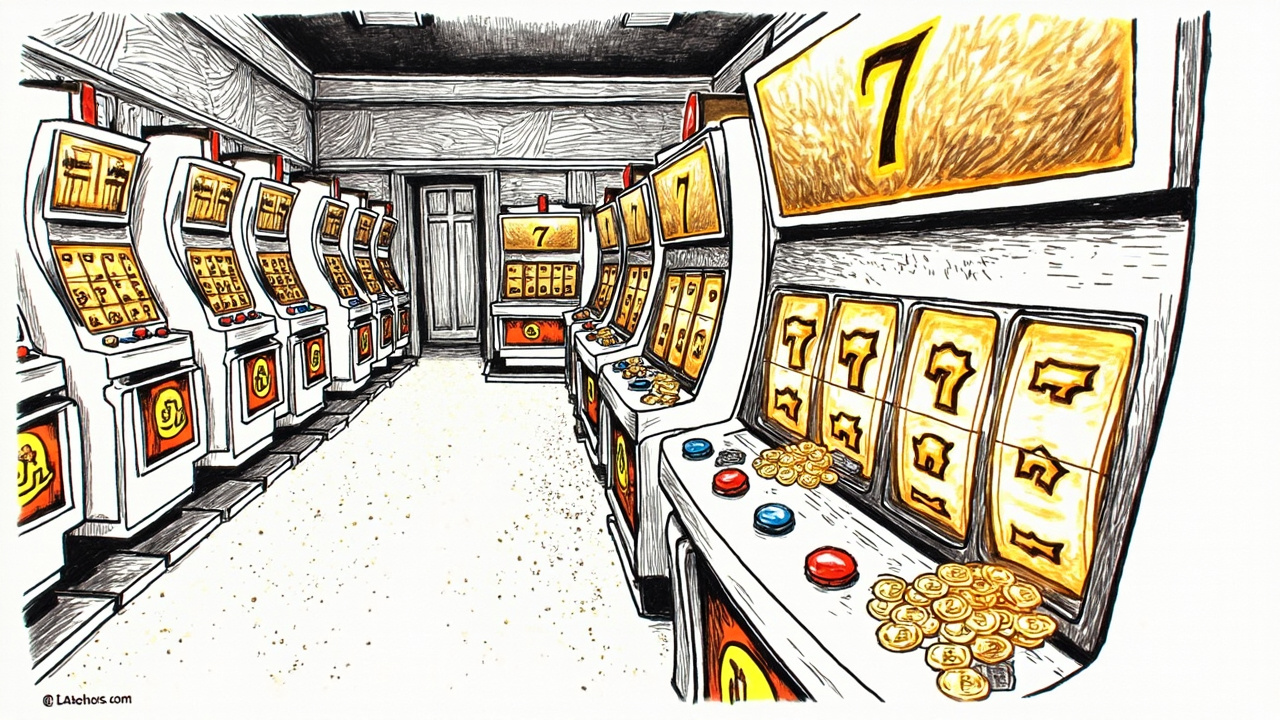
Step three is the deposit and bonus activation. Enter the code in the cashier, choose the amount you want to move from the voucher, and complete the deposit. If the casino has a welcome offer tied to a first deposit, read the activation terms before you claim it, because some bonuses only trigger when the funding method and the wagering requirements line up the way the operator expects. A quick read at this stage is worth more than a rushed claim later.
Step four is verification and first play. Most operators will still ask for ID and possibly a proof-of-address document before or shortly after your first session, even when the funding itself was instant. Once that clears, you can start with a small stake and a game you understand, rather than treating the voucher balance as a reason to rush into higher volatility. The goal of the first session is to confirm the account works end to end, not to test your luck. mine slot in out
| Stage | What you do | What to watch for |
|---|---|---|
| Registration | Enter identity and contact details | Name and age details must match your ID |
| Voucher purchase | Buy the exact amount you plan to use | Leftover balance stays on the voucher |
| Deposit | Enter the code and choose the amount | Confirm the deposit amount before confirming |
| Bonus activation | Claim any first-deposit offer if eligible | Check wagering and game restrictions |
| Verification | Submit ID or proof-of-address if asked | Do not expect the voucher to bypass checks |
| First session | Play small on a familiar game | Treat the session as a system test |
Who This Method Suits Best
An online casino paysafecard deposit is a better fit for players who want a hard spending limit and do not mind planning ahead, rather than those who want the fastest possible top-up on a whim. It suits someone who already thinks in session budgets, because the voucher creates a natural ceiling and removes the temptation to keep a card details sitting in the cashier. It is less ideal for players who want to move money in and out frequently, since the method is built for funding, not for ongoing back-and-forth movement.
I would compare the discipline here to treasury work in a small business: the point is not to make the process fancy, but to keep cash flow predictable and avoid surprise exposure. When I look at a payment method for a player, I ask whether it supports the habit they actually have, not the habit they wish they had. If your habit is to decide a limit before you log in, the voucher works with that. If your habit is to top up in the arvo because the mood strikes, the same method can feel clunky.
Cameron Evans, Head of Public Relations, Koala Digital Group, has pointed out that prepaid funding can lower the friction of starting a session, but it does not remove the need for proper account checks and responsible limits. Grace Patel, Independent iGaming Expert, Brighton Beach Betting Lab, has noted that players sometimes overstate the privacy benefit of a voucher, when in reality the operator still has to verify who is funding the account and where they are playing from. Both points matter here, because the method is useful but not magical.
For a Melbourne player picking this up after work, the practical question is whether the convenience of buying a voucher at a local newsagent is worth the extra planning. If you are the sort who likes a clean budget and does not mind buying the right amount in advance, it can be a sensible option. If you want flexibility first and structure second, another funding route may suit you better.
The bottom line is that this method rewards preparation and punishes improvisation. Used deliberately, it can help a cautious adult keep a session tidy and within a set limit. Used casually, it can leave unspent balance sitting on a code and create more hassle than it is worth.